



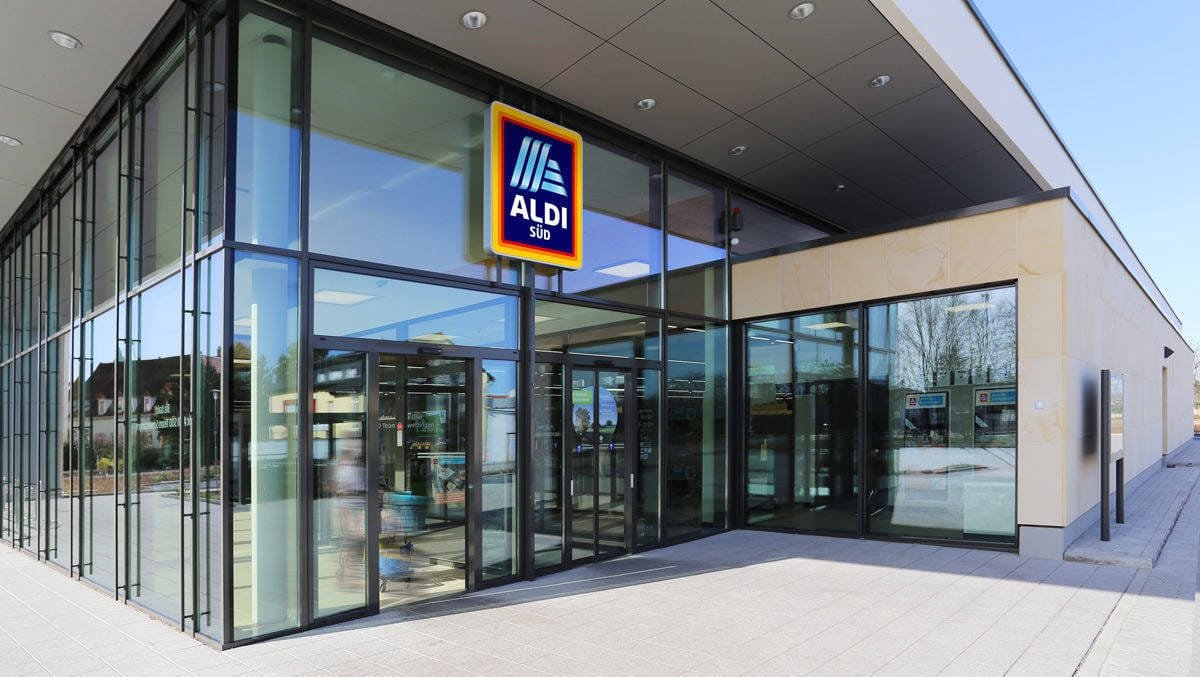
A Guide to Aldi: The German Discount Supermarket
Aldi is a name synonymous with affordable grocery shopping worldwide, but its roots are deeply embedded in Germany. As a pioneer of the modern discount supermarket model, Aldi has revolutionized the way millions of people shop for food.
History and Business Model
Aldi was founded by the Albrecht brothers, Karl and Theo, in Essen. In 1961, they famously split the company into two geographically separate divisions: Aldi Nord (north) and Aldi Süd (south). While they operate independently, both chains share a core business philosophy focused on efficiency and low prices.
Aldi’s business model is built on a few key principles:
- Limited Product Range: Aldi stores carry a highly curated selection of about 1,500 to 2,000 products, far fewer than a typical supermarket. This allows them to buy in bulk and negotiate better prices.
- Private-Label Brands: The vast majority of products at Aldi are its own private-label brands. This eliminates marketing and distribution costs associated with national brands, allowing them to pass the savings on to the customer.
- No-Frills Approach: The stores have a simple, no-frills design with products often displayed in their original shipping cartons to save time and labor on stocking shelves.
The Aldi Shopping Experience
A visit to Aldi is a fast and efficient experience, designed to get you in and out with your shopping completed.
Product Range and Quality
While the selection is limited, it covers all the essentials for a complete weekly shop, including fresh produce, meat, dairy, baked goods, and household items. The quality of Aldi’s private-label products is generally considered high, and many have won awards. Each week, Aldi also features a changing selection of special non-food items, ranging from electronics and tools to clothing and garden supplies.
Price and Value
Aldi’s primary appeal is its pricing. By streamlining its operations and focusing on private labels, it consistently offers some of the lowest prices on the market. This makes it a go-to destination for budget-conscious shoppers and families.
Key Features
- Weekly Specials: Every week, Aldi publishes a flyer advertising special prices on a variety of groceries and a rotating selection of non-food items.
- Efficient Checkout: The checkout process at Aldi is famously fast. Items often have multiple barcodes to speed up scanning.
- Deposit System (Pfand): Like all German supermarkets, Aldi participates in the national deposit system for bottles and cans. You can return your empty containers to a machine in the store to get a refund.
In summary, Aldi’s genius lies in its simplicity. By adhering to a strict, efficient business model, it provides a high-quality shopping experience that prioritizes value and affordability above all else.